
Bestseller
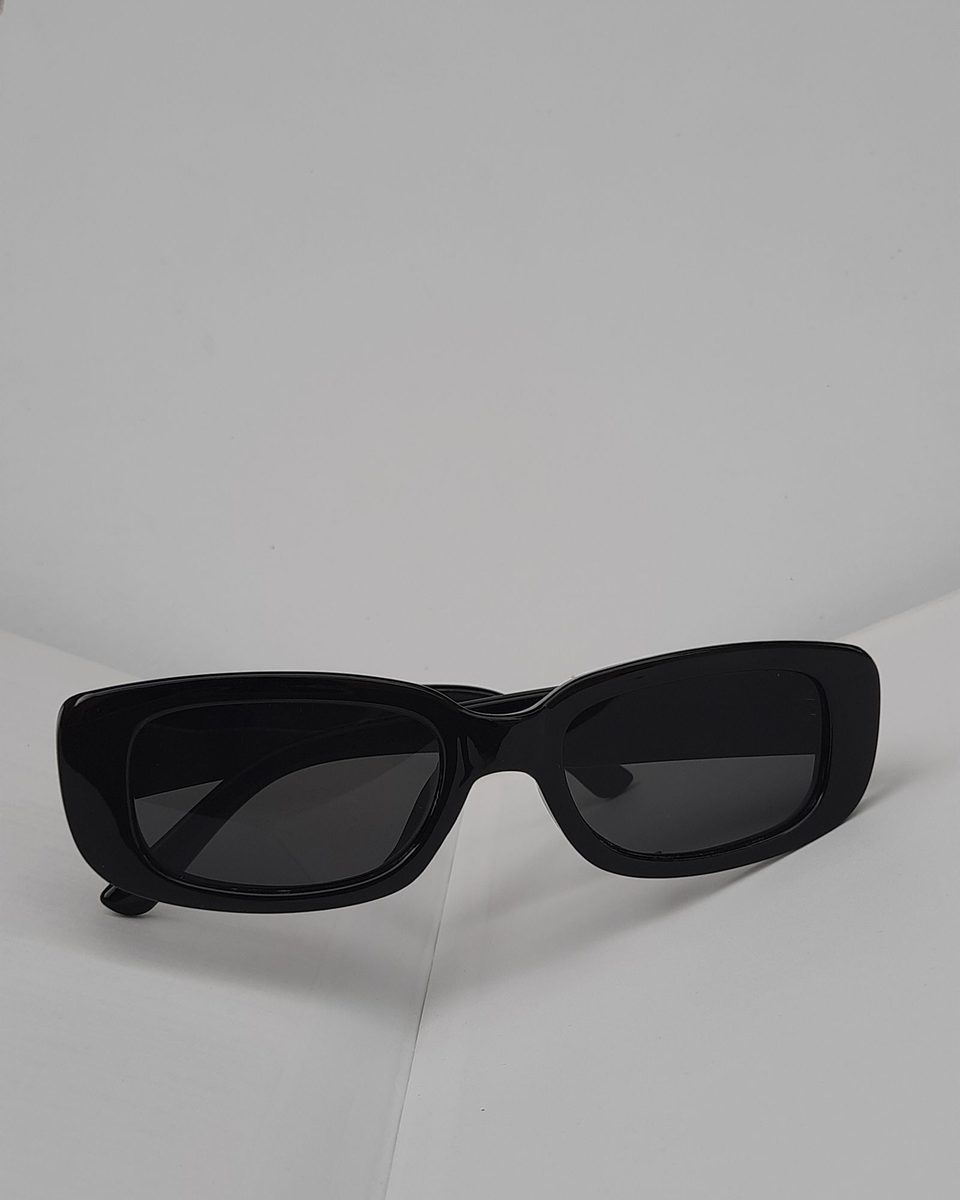
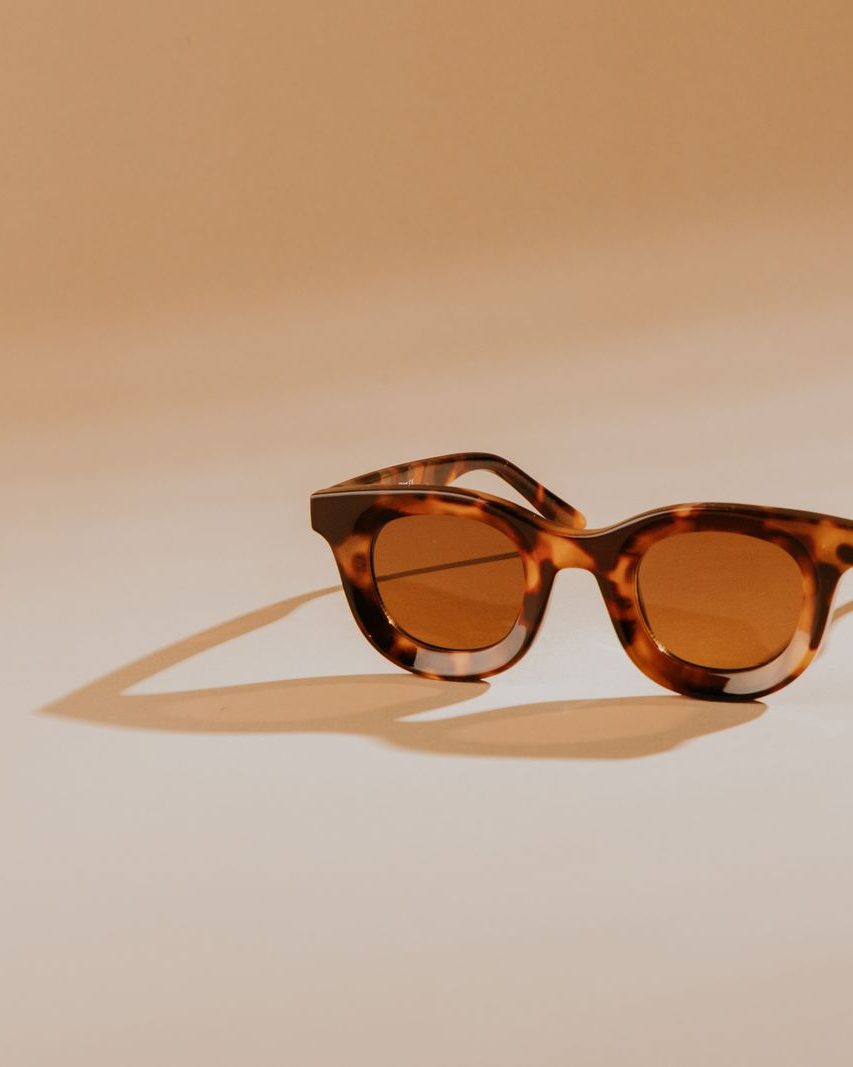
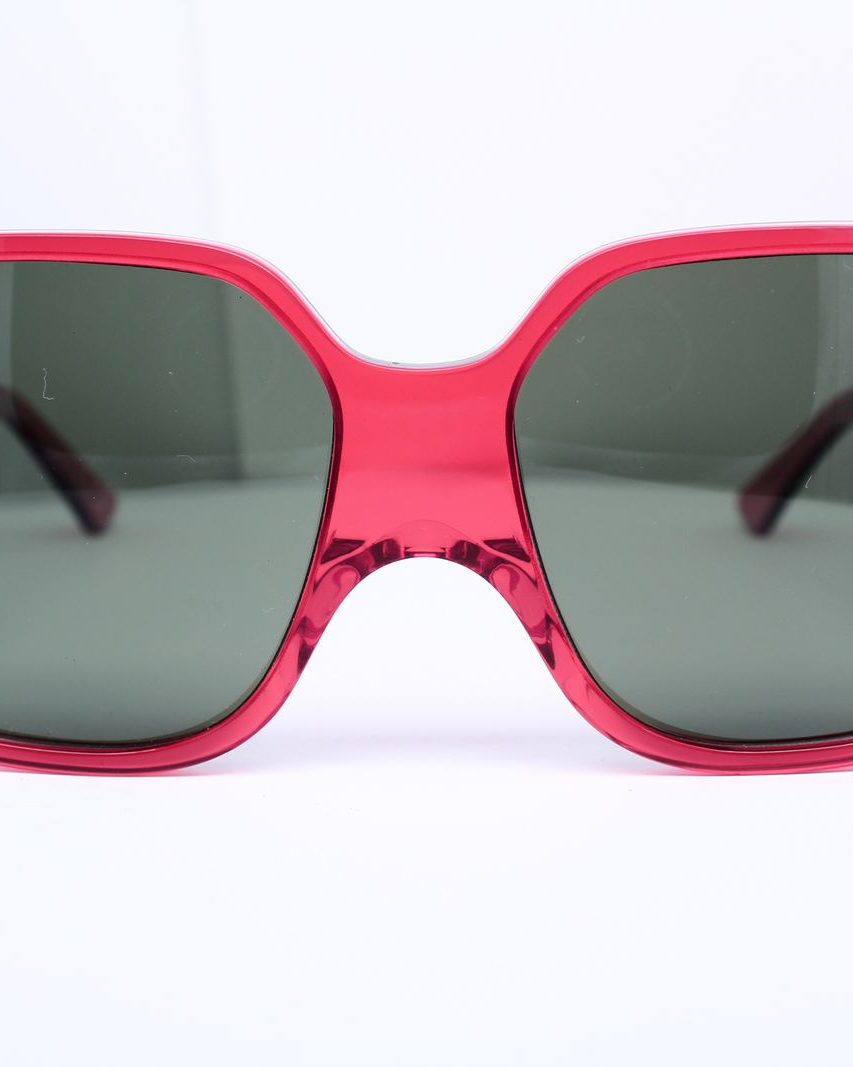
Lido Square
- Bio-acetate
- 27 g
€89,00
Lens width, bridge, temple, weight, hinge, and whether the lens is polarised. Every frame on this site is listed the way an optician would describe it, with the drawbacks written underneath. Bio-acetate and stainless steel, every lens UV400, nothing on the temples but acetate.

A frame either fits your face or it does not. The photograph cannot tell you which; the measurements can.
Every frame comes in three lens widths - 48, 52 and 55 mm on the standard shapes, larger on the pilots and the oversized - and the page lists the bridge, the temple length and the weight next to them. Measure the width of your face at the temples once, read the fit guide, and you will not need to guess again.
The weight matters more than people expect. A 19 g steel round and a 37 g acetate oversized feel like different objects after four hours.
Square, round, pilot, cat-eye, oversized, sport. Colour and lens come after.
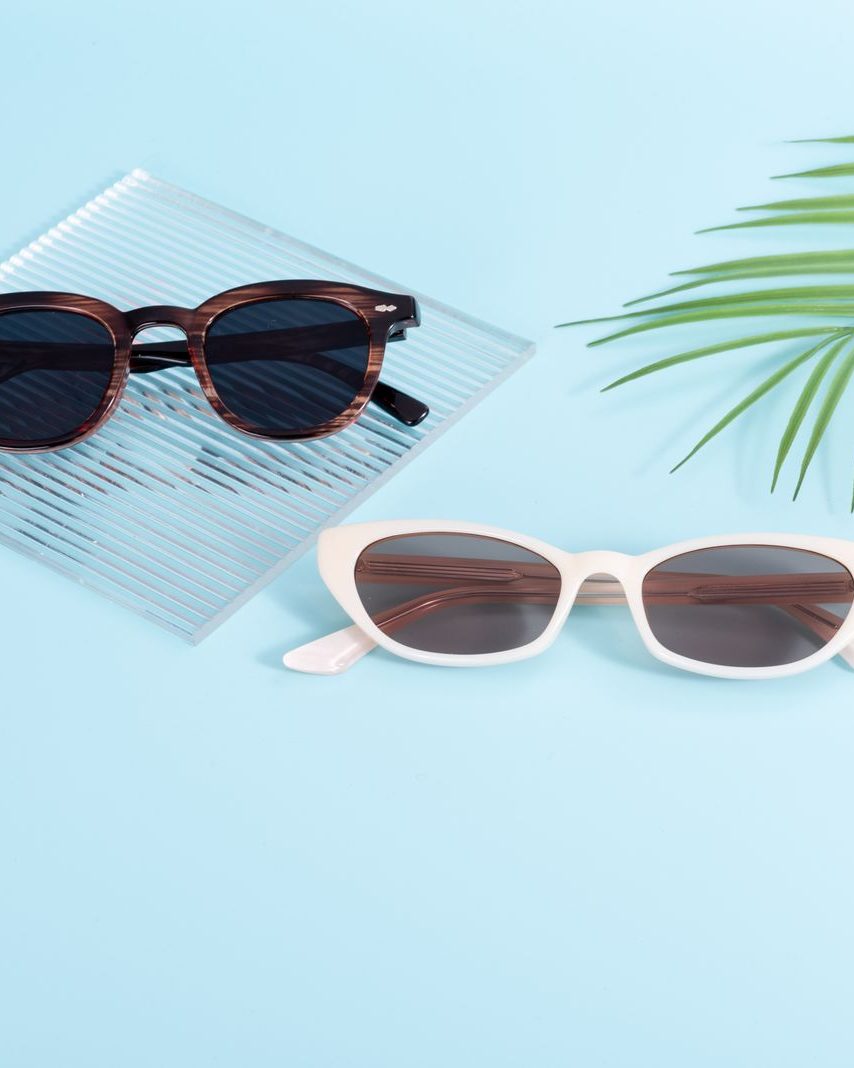
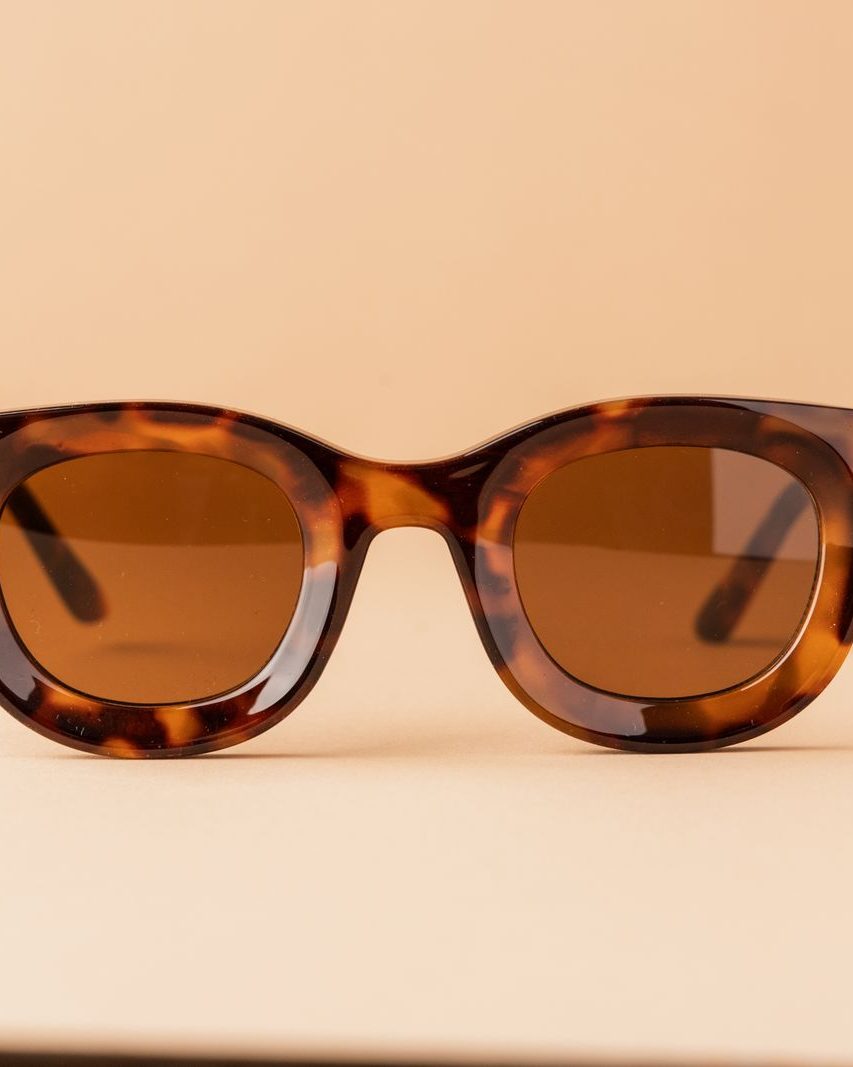
Square and rectangular fronts in bio-acetate: the shapes that suit the most faces and ask the least of you.
5 frames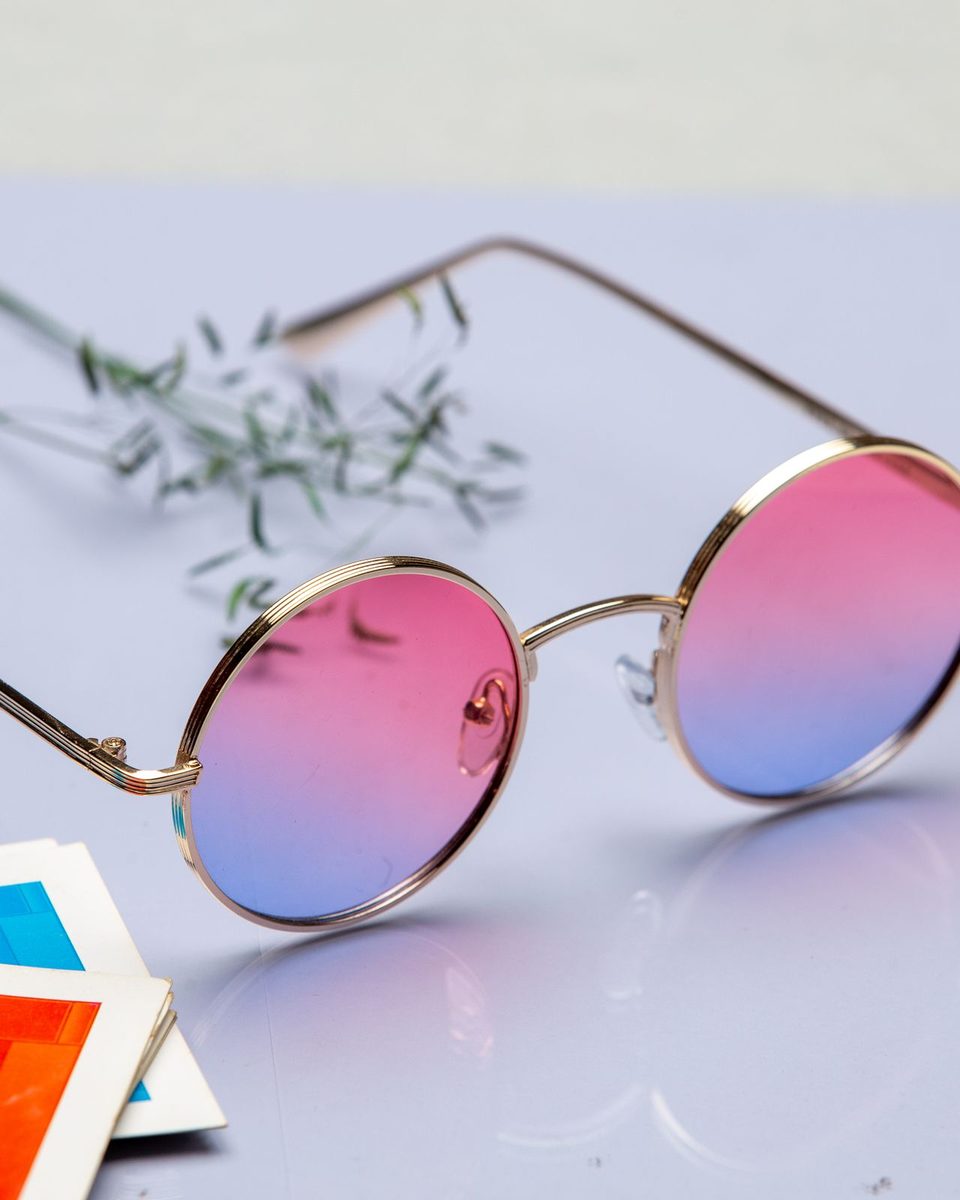
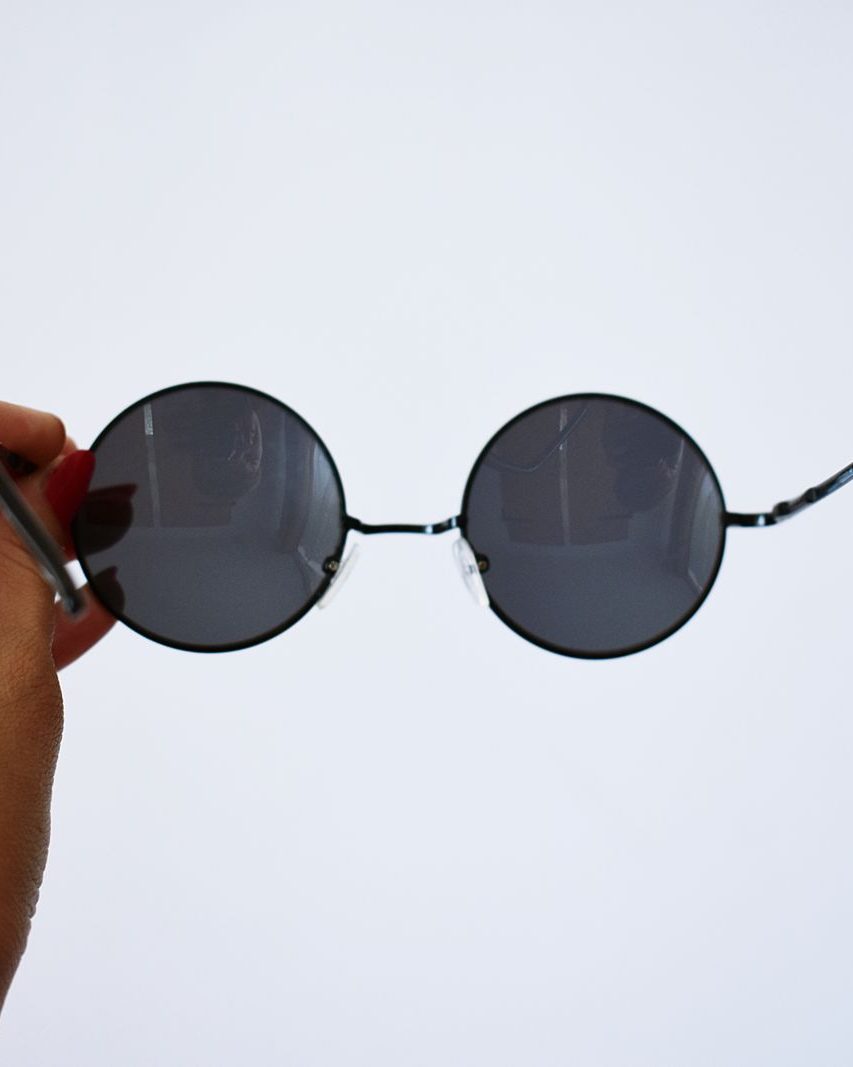
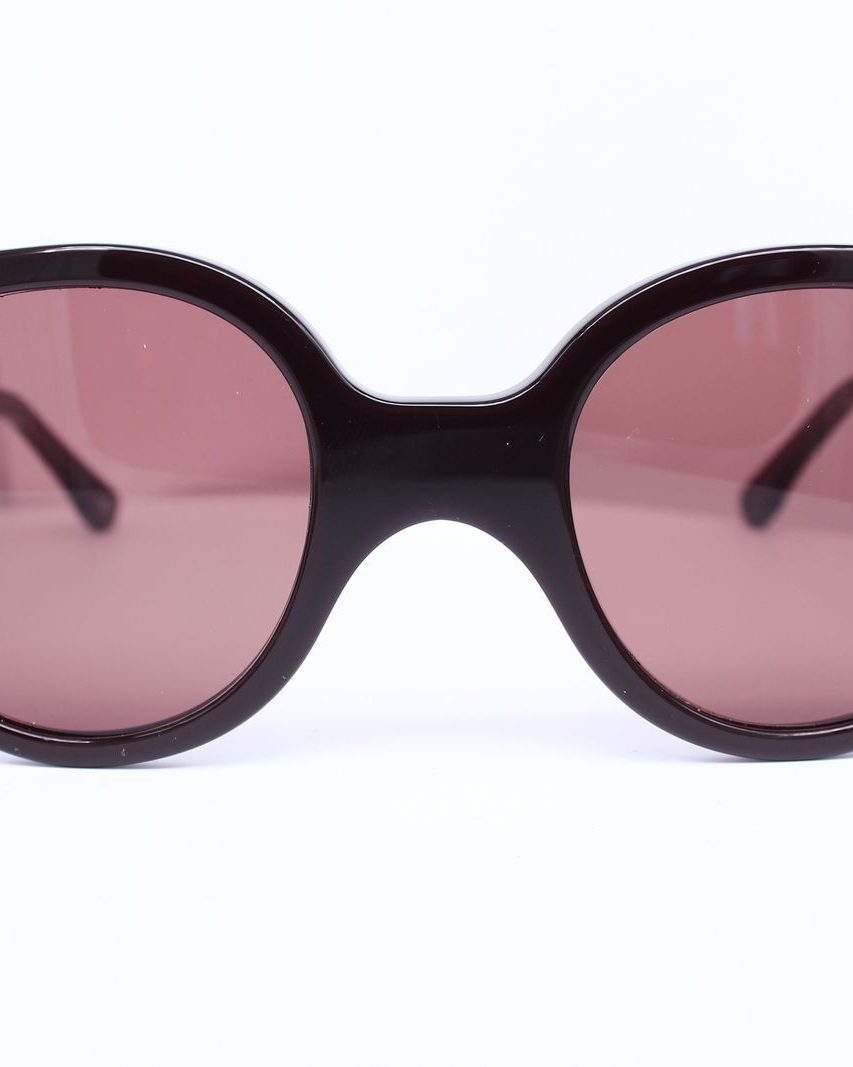
Round and oval, in thin stainless steel or thick acetate. Softer on an angular face.
5 frames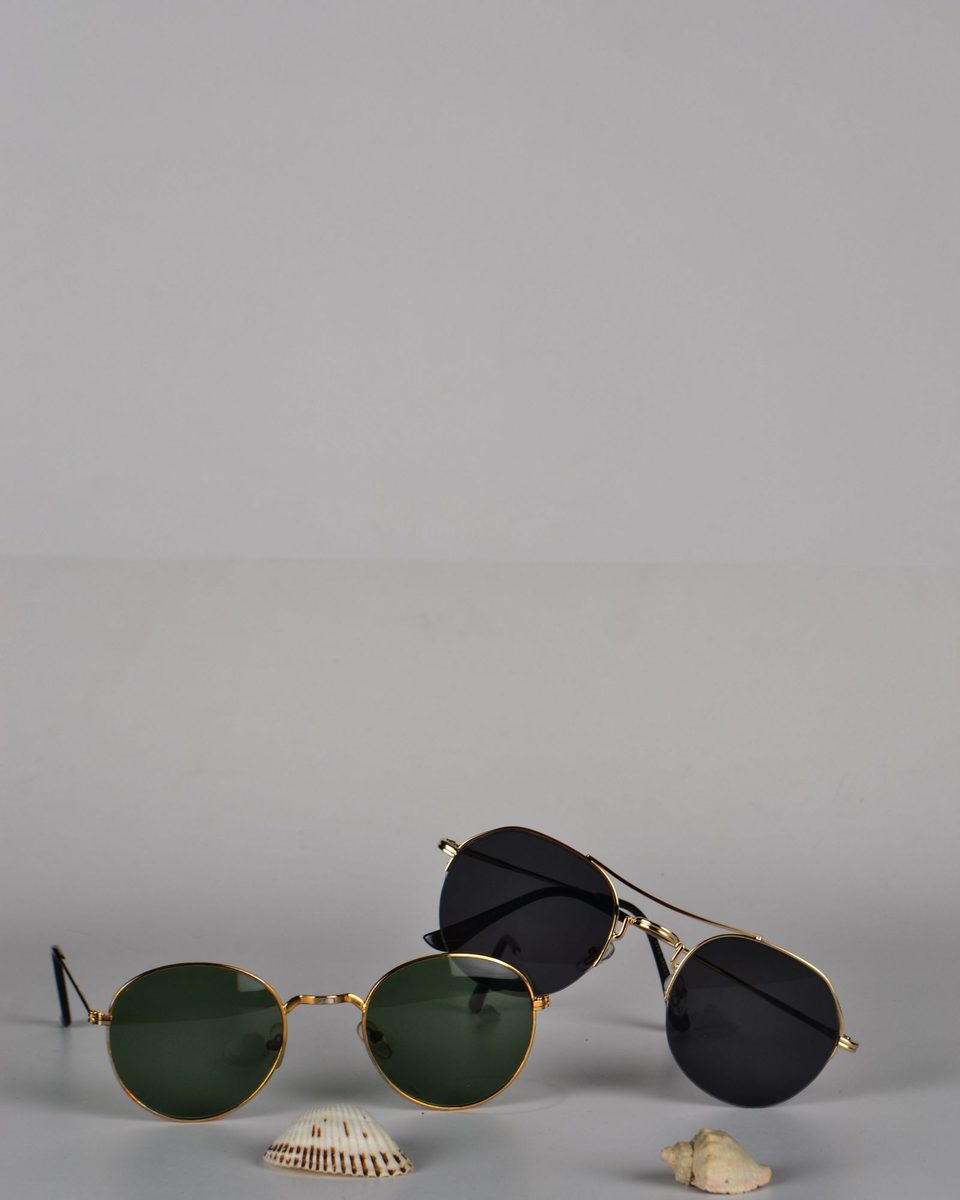
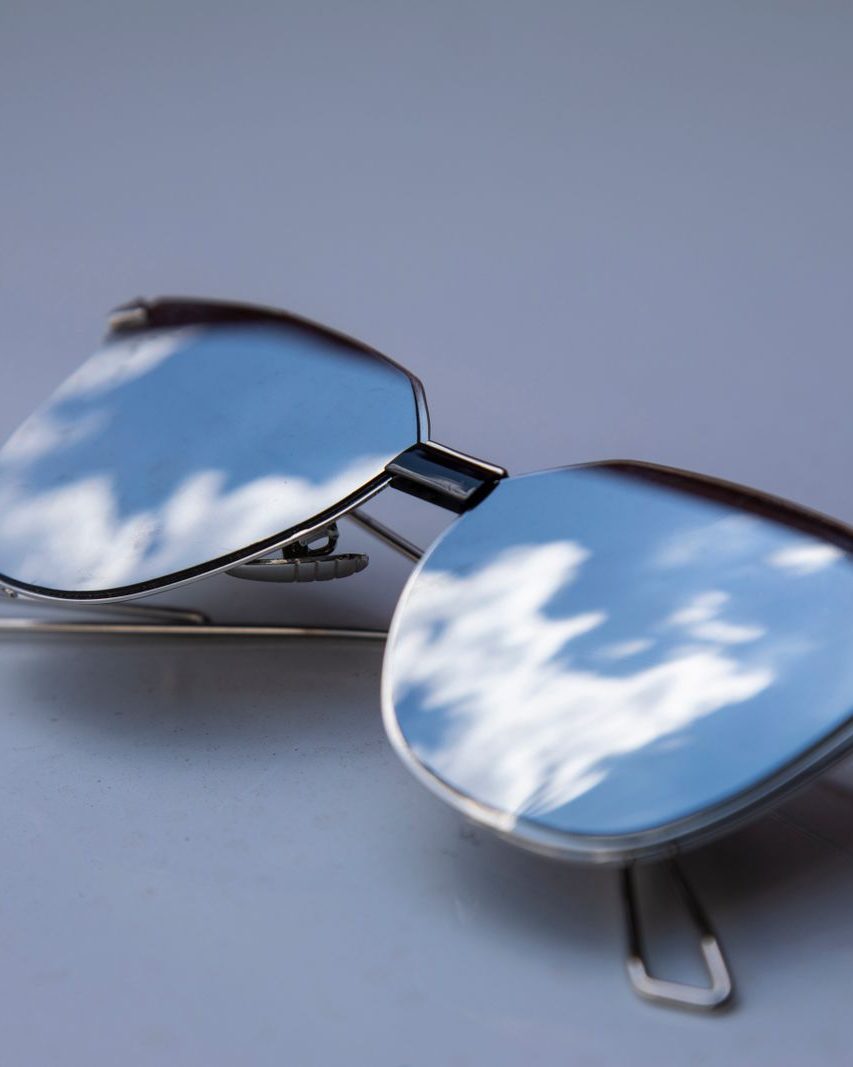
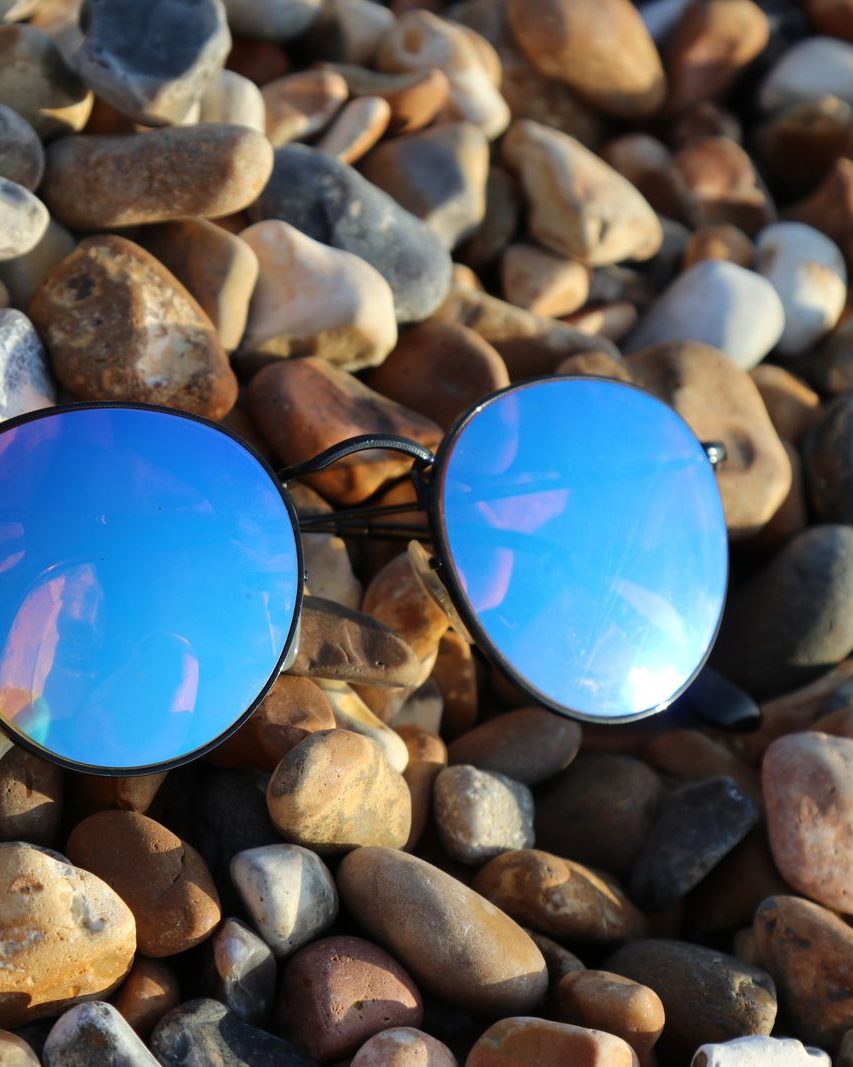
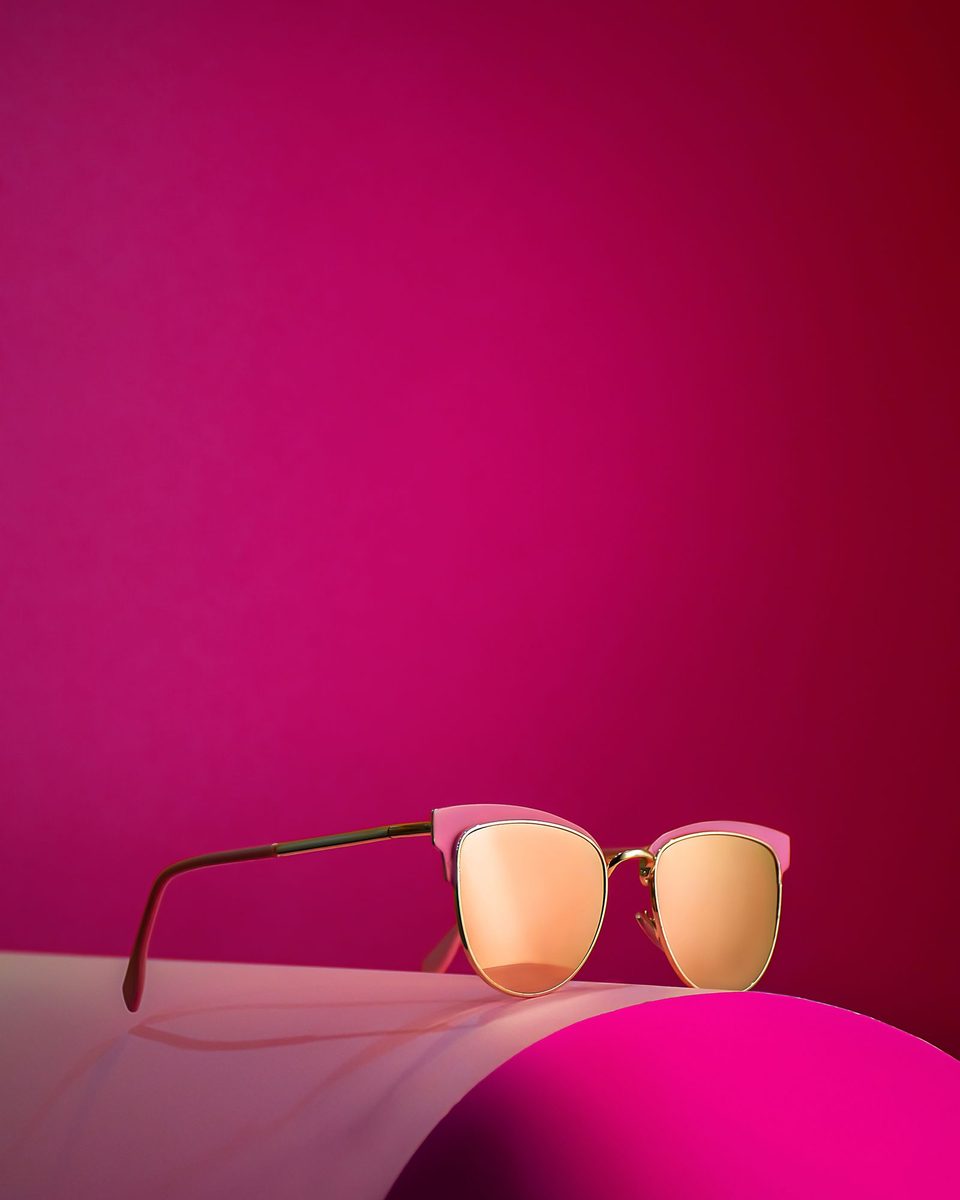
Double-bridge metal frames with a teardrop lens. Light, large, and the best shape for a mirror coating.
4 frames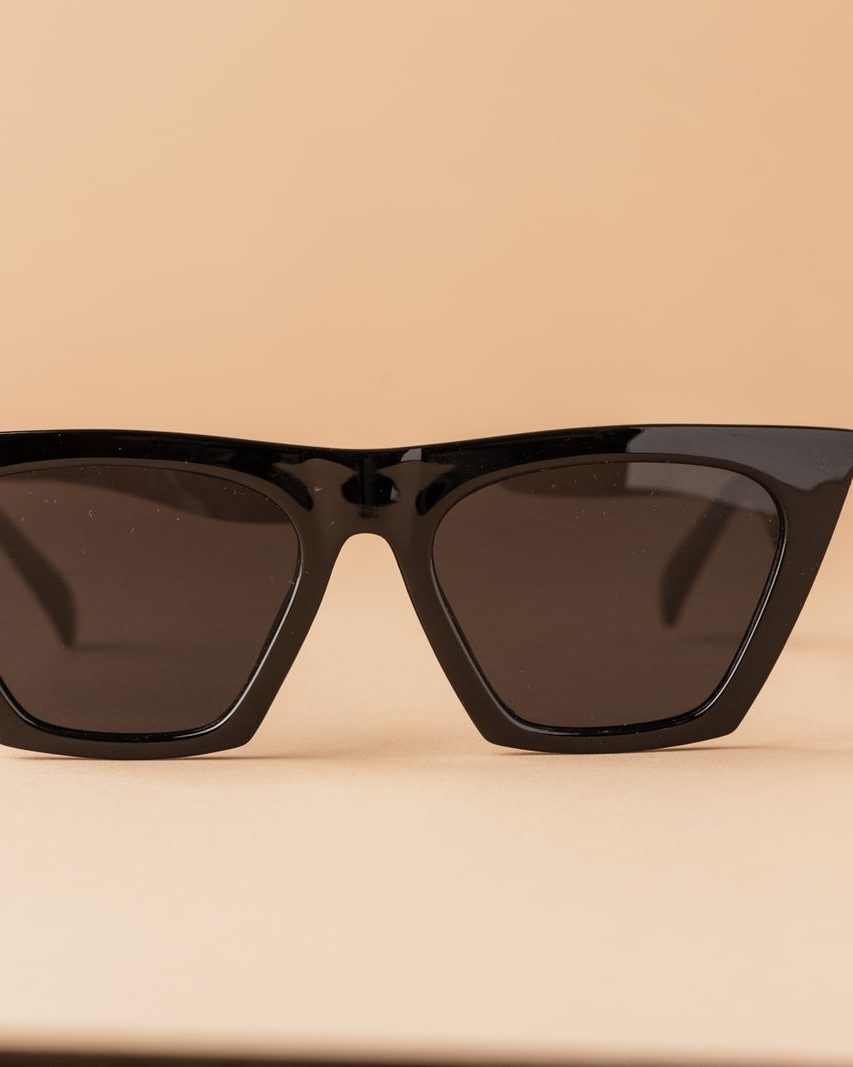
Upswept corners, from a hard point to a soft lift. Flattering in a way the measurements cannot explain.
5 frames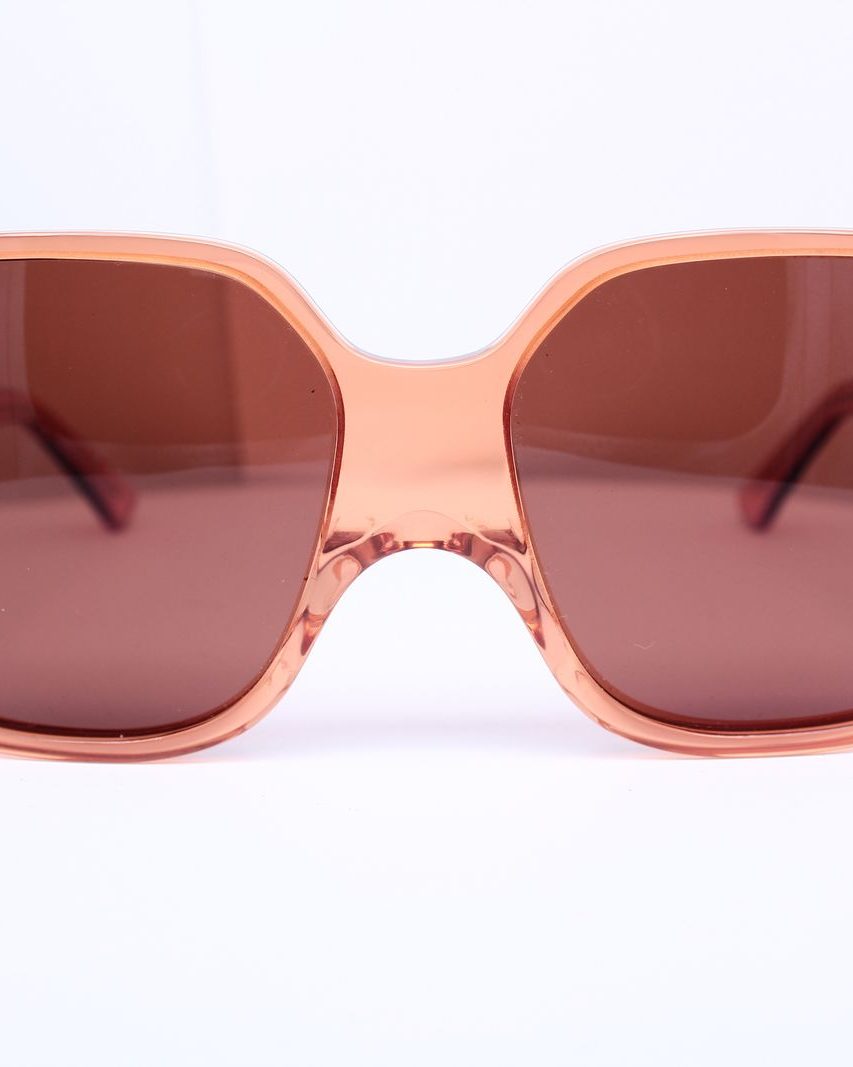
Big fronts, big lenses, maximum coverage. Chosen for shade first and looks a close second.
4 frames
Wrapped frames that stay put when you run, row or ride, with grippy nose pads and hydrophobic lenses.
2 framesUsually the same shape in a second colour, a year later, after the first went in the sea.




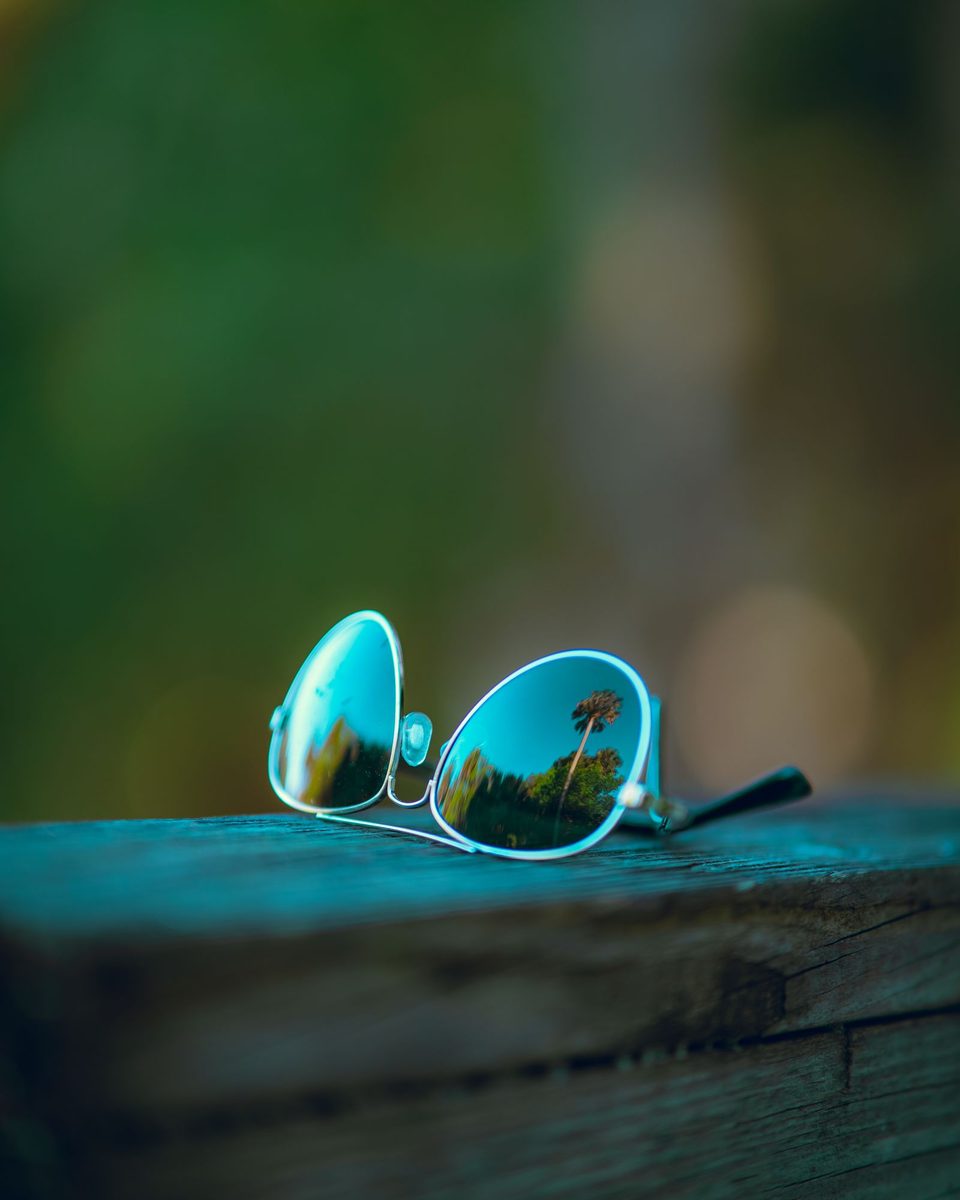
Each one is right for something and wrong for something else. Here is which.
A filter in the lens blocks light bouncing off water, bonnets and wet roads. Best for driving and the beach. It also dims some phone and dashboard screens when you tilt your head - physics, not a fault.
Dark at the top where the sun is, light at the bottom so you can read a menu. The lens for terraces and cities. It lets glare in from below, so not the lens for water or snow.
A metallic coat bounces light off before the tint deals with the rest. The darkest option we make. The coating is microns thick and marks before the lens does: keep it cased and off the table.
Acetate warms and loosens in a hot car. Thin steel bends if sat on. Pale matte acetate marks. Gradient lenses give less protection at the bottom. None of it is a defect; all of it is written down before you pay.
Hold a ruler across your face at the level of your eyes, temple to temple. Under 130 mm, take the S. Between 130 and 140, the M. Over 140, the L. The fit guide explains lens width, bridge and temple length, and what to do if your nose is low or your head is wide.
A handful of frames a year. Each one was worn by six people for a month before it got a page.
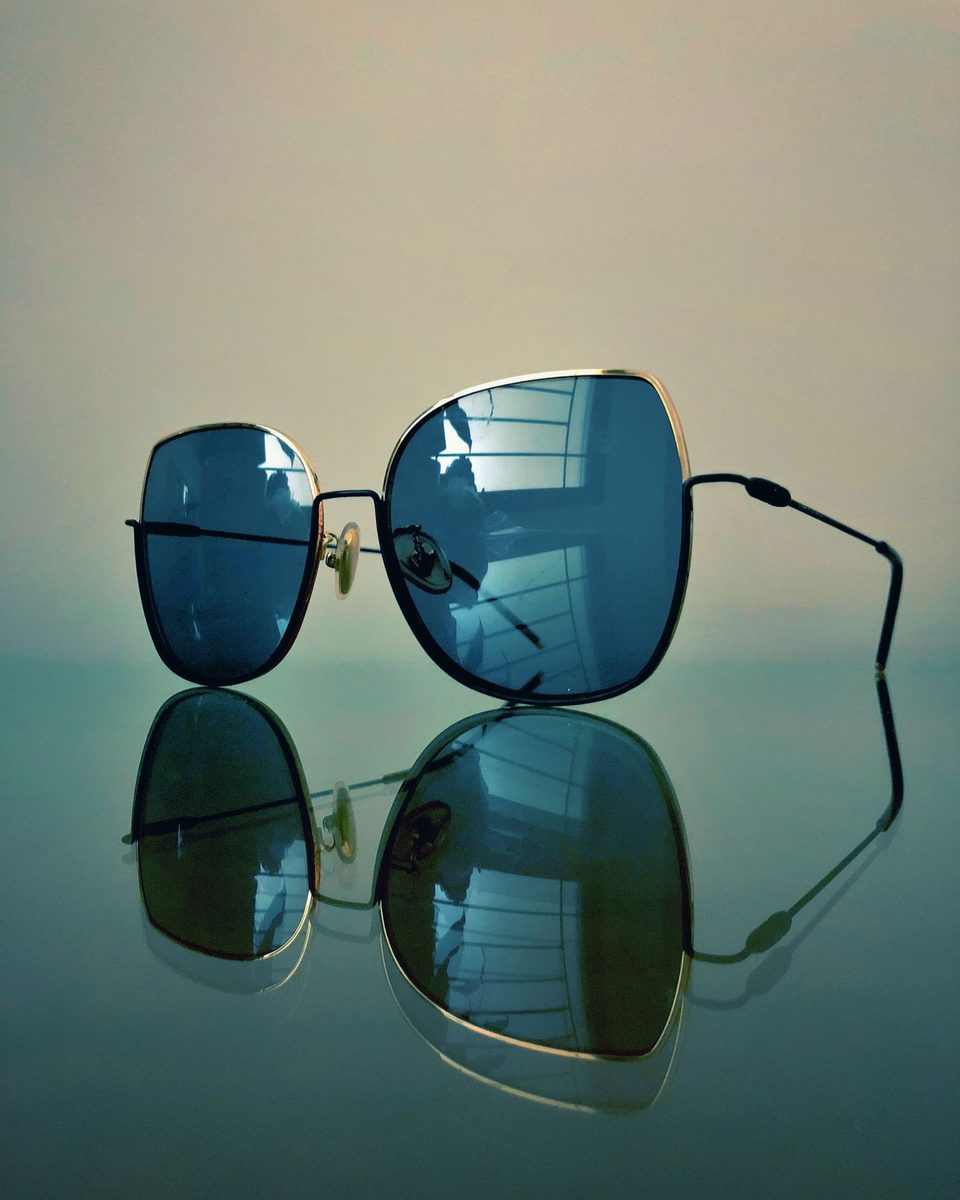
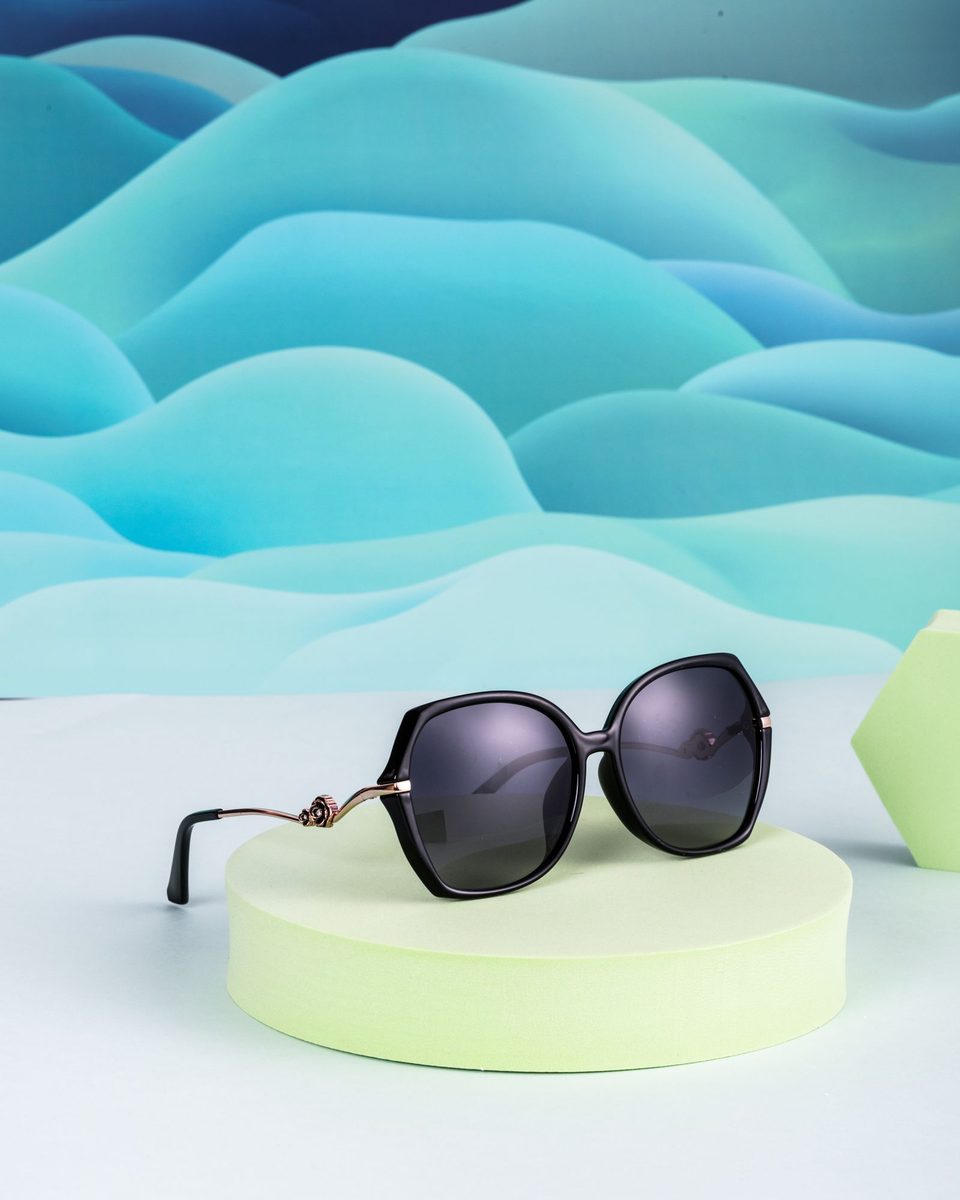
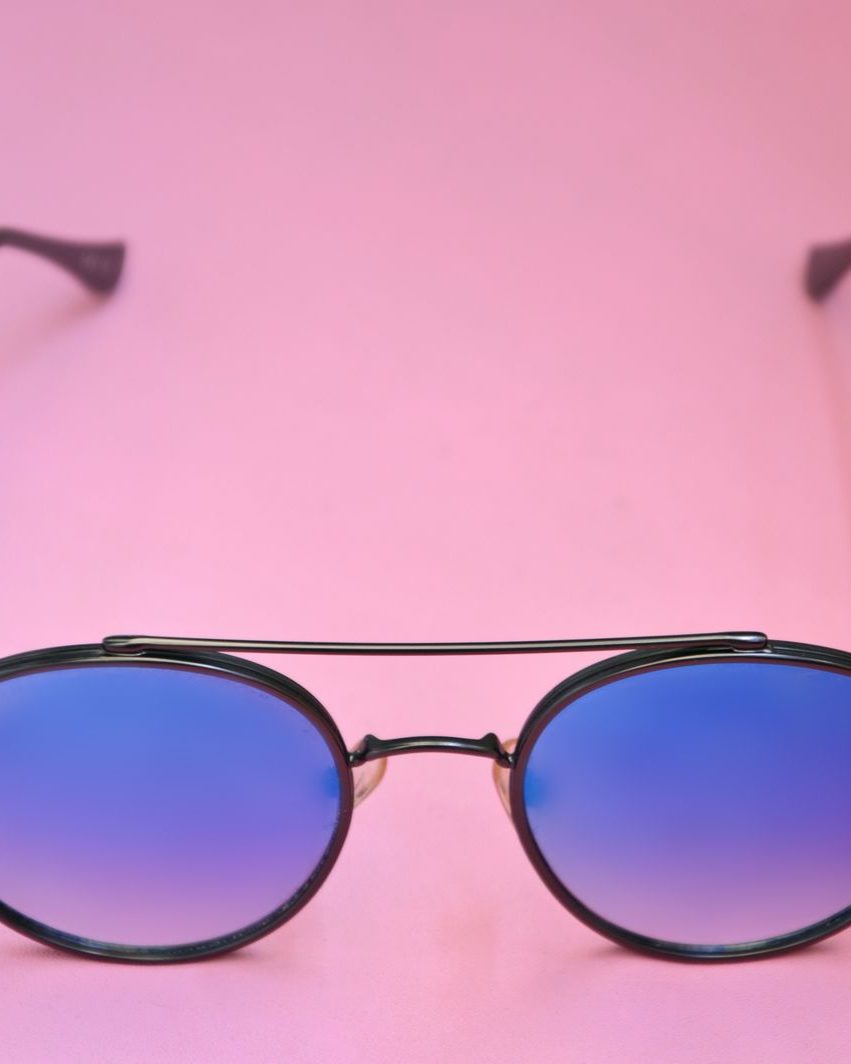
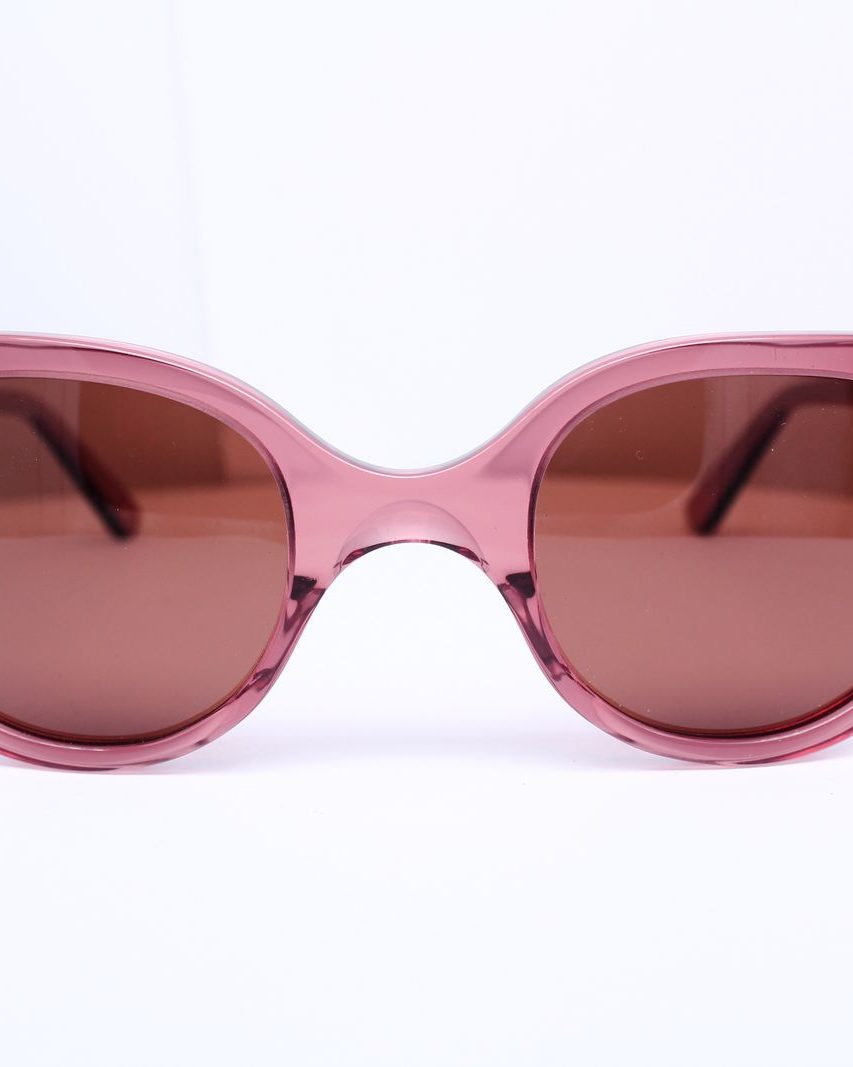
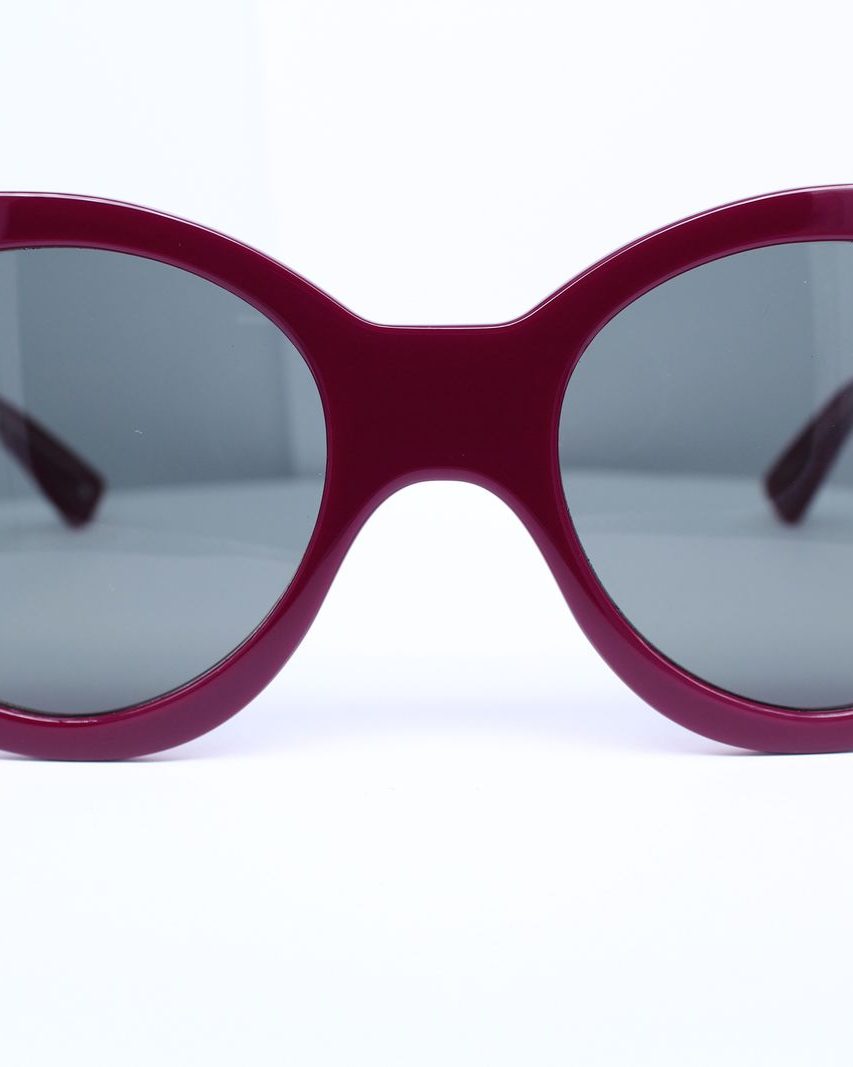
Lens width, bridge, temple, weight and hinge on every page. “Effortlessly chic” appears nowhere on this site.
A hinge that loosens, snaps or seizes, or a lens coating that peels or crazes inside 2 years, is repaired or replaced, postage on us.
Every front is drawn by us and cut to our own pattern. Nothing here is a version of another company’s design, and no temple carries a name.
Tinted, polarised, gradient or mirrored, light or dark - all of them block 100% of UVA and UVB to 400 nm. The tint is about comfort; the UV filter is separate and always there.
When a colour leaves the range the last of it is reduced against what it sold for over the previous 30 days. Nothing is marked up to be marked down.
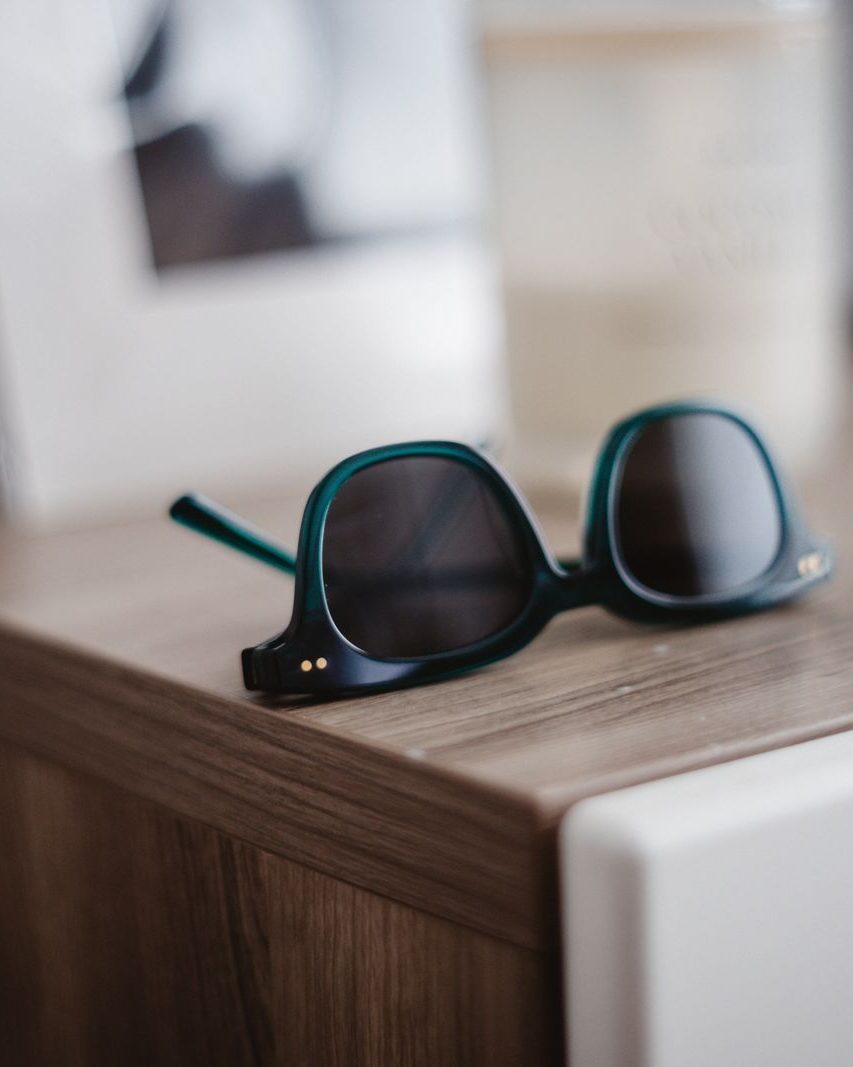


“I ordered the M because the page told me to, after I measured 136 mm with a kitchen ruler. They fit. The page also told me the mirror would scratch if I left them face-down, which I did, and it did. I cannot fault the honesty.”
Giulia T. · verified purchase, 2025